
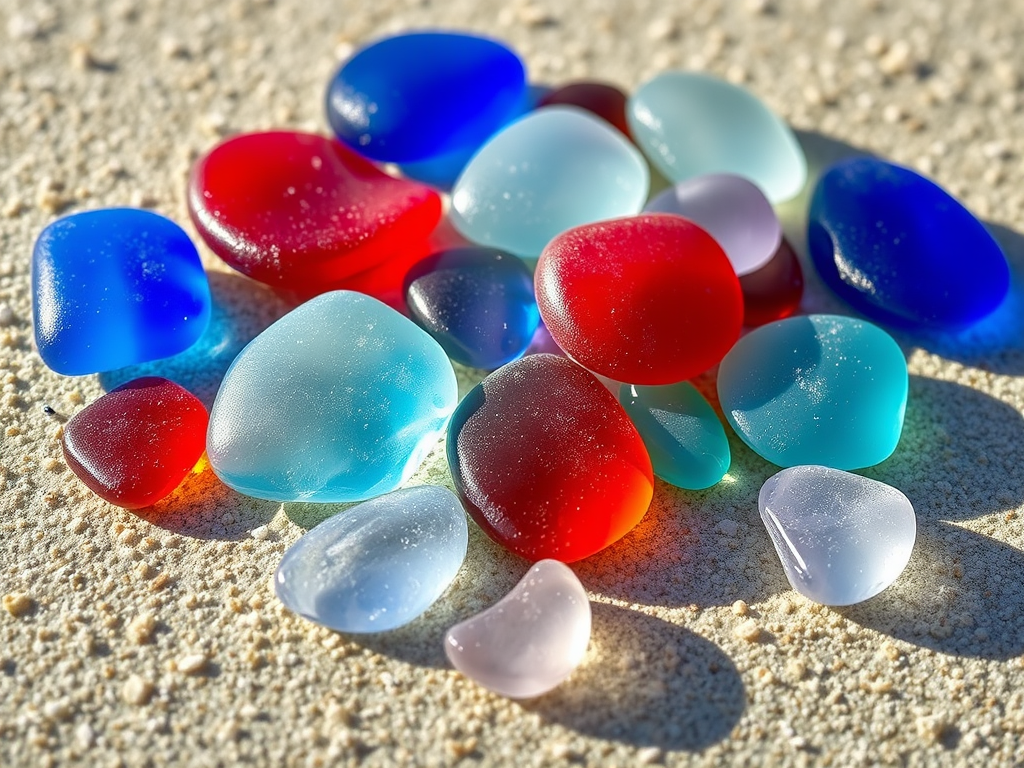
What Colors of Sea Glass Are the Most Rare?
Sea glass is admired for its soft, frosted surface and the quiet beauty it carries, but its color is often what draws the eye first. Some shades appear frequently along shorelines, while others are encountered only rarely, making them especially meaningful to collectors and jewelry lovers alike.
The rarity of sea glass colors is closely tied to the history of glass production. Colors that were widely used in everyday bottles and containers are more commonly found, while those produced in smaller quantities or for specialized purposes are much less likely to appear along the shore today.
Common Sea Glass Colors
The most frequently found sea glass colors originate from glass items that were once widely used.
These typically include:
• green, often from beverage bottles
• brown, commonly associated with beer bottles
• clear or white, from jars and household glass
Because these items were produced in large quantities, their remnants are more likely to have entered the ocean and undergone the long process that forms sea glass.
Less Common Colors
Some colors are found less frequently and are often appreciated for their softer, more distinctive tones.
These may include:
• soft blue
• aqua or teal
• light lavender or pale purple
In some cases, lighter purple tones develop when clear glass is exposed to sunlight over time, adding an additional layer of transformation to the glass’s journey.
Rare Sea Glass Colors
Certain colors are considered rare due to their more limited historical use.
These often include:
• cobalt blue
• deep red
• orange
• yellow
Cobalt blue glass, for example, was often used for medicine bottles or decorative pieces, while red and orange glass were typically produced for more specialized or ornamental purposes. Because fewer of these items were made, fewer fragments entered the ocean, making these colors more difficult to find today.
Exceptionally Rare Colors
A small number of sea glass colors are regarded as exceptionally rare.
These may include:
• turquoise
• gray
• pink
These colors were produced in very limited quantities or for specific applications, which contributes to their scarcity. Naturally formed pieces in these shades are especially uncommon.
Understanding Color and Meaning
While rarity can add interest, the value of sea glass is not defined by color alone.
Each piece, regardless of shade, carries the same gentle texture and evidence of transformation shaped by time and movement. For many, the meaning of sea glass lies in this process rather than in how often a particular color is found.
A common green fragment and a rare red piece both reflect the same quiet journey through the ocean.
Sea Glass Colors in Jewelry
Sea glass jewelry highlights both the color and texture of each piece.
At Ocean of Hope Jewelry, a range of colors is used to create pendants that reflect subtle, natural tones as well as deeper, more vibrant hues. Many pieces are crafted using carefully tumbled sea glass, selected for its smooth finish, luminous color, and organic appearance.
This approach allows for thoughtful design while preserving the soft, frosted aesthetic that defines sea glass.
Through Pendants for a Cause, these pieces also support pediatric medical charities. In this way, each color becomes part of a broader story of compassion and purpose.
A Spectrum Shaped by Time
Sea glass colors reflect both history and transformation.
Some shades are familiar and abundant, while others are rare and unexpected. Yet each piece, regardless of color, has been shaped by time, movement, and change.
Together, they form a quiet spectrum of beauty, where even the smallest fragment carries a story.

 Pendants for a Cause
Published by