What Is Sea Glass?
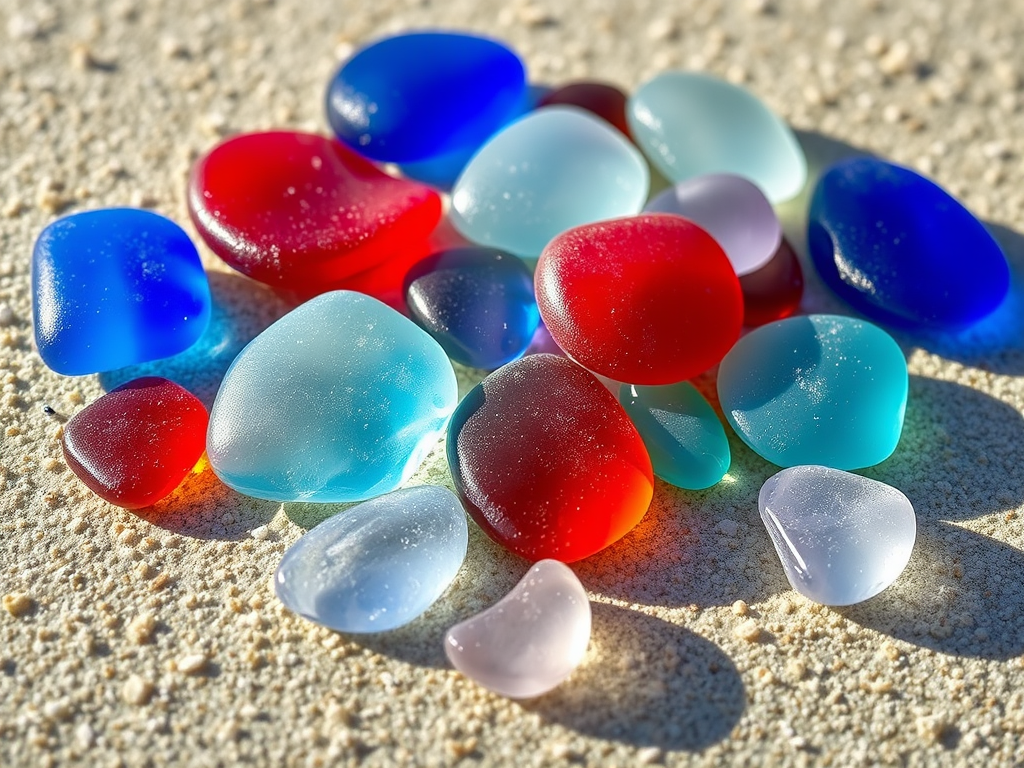
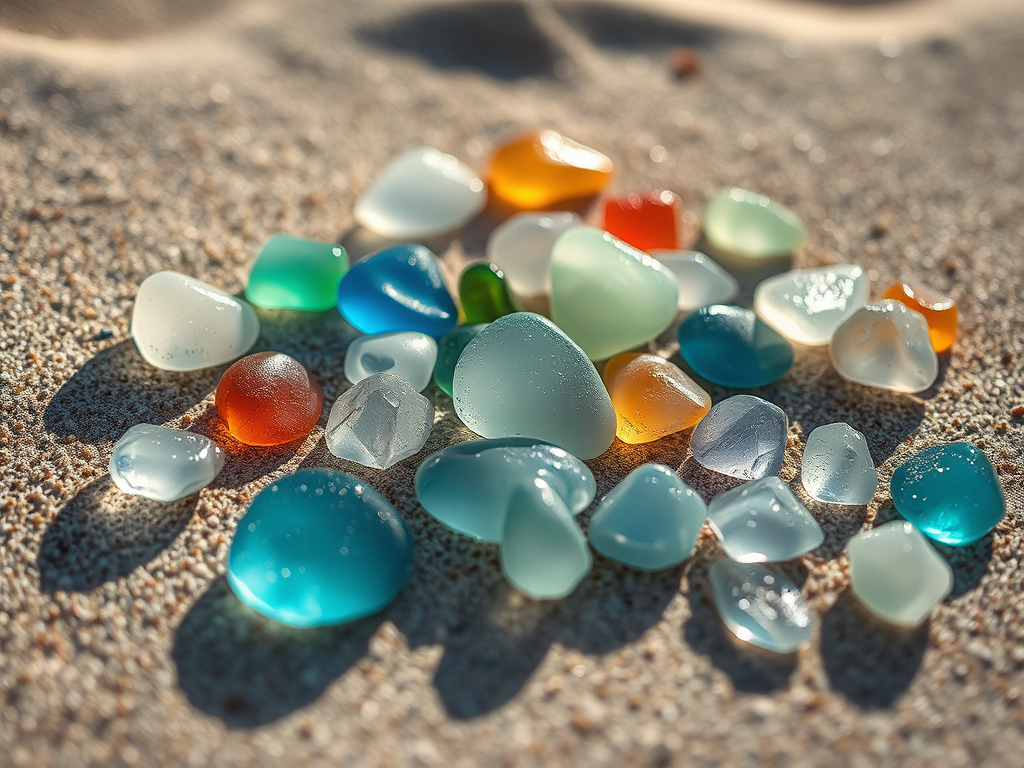
Sea glass is glass that has been naturally shaped and softened by the movement of the ocean. Over time, waves, sand, and saltwater gradually smooth sharp fragments of glass until they develop the soft edges and frosted surface that make sea glass so recognizable.
What may have once been part of a bottle, jar, or other everyday object can, after many years in the sea, return to shore as a small, luminous fragment shaped by nature. These pieces often appear along beaches as softly colored treasures, each with a texture and form that reflects its long journey through the water.
Because of this natural transformation, sea glass is often valued not only for its beauty but also for the story it carries.
How Sea Glass Forms
The process that creates sea glass begins when glass enters the ocean.
Years ago, glass bottles and containers were far more common than they are today. When pieces of glass reached the sea, they were gradually worn down by constant movement in waves and sand. With each tide, the glass was gently abraded, slowly losing its sharp edges and developing a smooth, matte surface.
This process takes a great deal of time. Many pieces of sea glass may spend decades moving through the water before they acquire the soft, frosted appearance associated with true sea glass.
When these pieces eventually wash ashore, they often carry the distinctive rounded shapes and subtle textures created by years of natural tumbling in the ocean.
Continue reading “What Is Sea Glass?”

 Pendants for a Cause